Could restoring a normal heart rhythm early after a stroke help prevent further strokes and cardiovascular complications? This is the key question behind EAST-STROKE, an international investigator-initiated trial funded through the European Union’s Horizon programme. The trial investigates a potential new treatment strategy for people who have experienced an acute ischaemic stroke and also have atrial fibrillation.
Atrial fibrillation (AF) is a common heart condition in which the heart beats irregularly and often too quickly. This can cause blood clots to form in the heart which, if they travel to the brain, can block blood flow and cause an ischaemic stroke. In addition, AF can cause tissue damage to the heart and contribute to the development of heart failure.
Current treatment for patients with stroke and AF focuses on preventing blood clots through anticoagulant medication, managing cardiovascular risk factors and controlling the heart rate. However, it remains unclear whether additional treatment with rhythm control can reduce the risk of adverse cardiovascular outcomes in these patients.
Rhythm control is an established treatment for AF that aims to restore a normal heart rhythm. It can involve medication and/or catheter ablation, a minimally invasive procedure that targets the areas of the heart responsible for the irregular rhythm.
Although rhythm control is already used to treat AF, it has not yet been widely applied to patients in the acute phase after a stroke. The EAST-STROKE trial aims to change that by integrating this treatment early after a stroke, alongside standard care.
Why does EAST-STROKE matter?
For people who have experienced a stroke, preventing another event is just as important as treating the initial one. By addressing both stroke and its underlying cardiovascular risk, EAST-STROKE seeks to improve long-term outcomes and quality of life.
If the trial demonstrates that early rhythm-control therapy is safe and effective in this patient population, it could help shape future treatment guidelines and change clinical practice internationally. More effective prevention could not only benefit patients but also reduce the considerable healthcare and societal costs associated with recurrent strokes and cardiovascular disease.
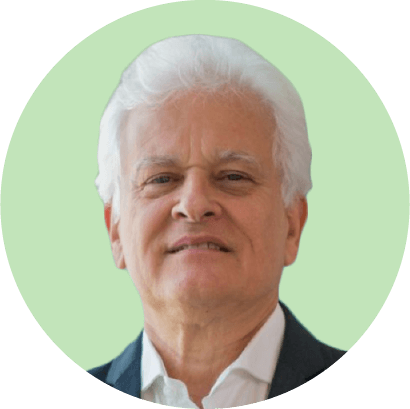
As Professor Götz Thomalla, EAST-STROKE project coordinator and Director of the Department of Neurology at University Medical Centre Hamburg-Eppendorf (UKE), explains:
“If the study confirms our early findings, it could change the way we treat stroke patients with atrial fibrillation worldwide and help prevent many new strokes.”
Putting patients’ perspectives in stroke research
Alongside clinical outcomes, EAST-STROKE also considers how treatment affects patients’ quality of life and everyday lives. To assess these aspects, the trial uses patient-reported outcome measures based on the International Standard Set of Patient-Centered Outcome Measures After Stroke, provided by the International Consortium for Health Outcomes Measurement (ICHOM).
This allows the trial to take account of patients’ own perspectives on their recovery and quality of life, alongside medical outcomes such as recurrent strokes and cardiovascular events.
An international collaboration bringing expertise together
Coordinated by the University Medical Centre Hamburg-Eppendorf in Germany, EAST-STROKE is an investigator-initiated, international randomised clinical trial. The six-year trial began in 2025 and aims to enrol up to 1,746 patients across several countries. Participating countries include Germany, Spain, the Netherlands, Switzerland and Australia, with further international expansion planned. The trial is funded by the EU in the European countries.
The trial brings together an international network of clinical researchers, patient representatives and health economics experts. This collaborative approach aims to ensure that the findings are relevant not only to clinical practice but also to patients, healthcare systems and societies in Europe and worldwide.
If successful, the EAST-STROKE trial could lead to a major shift in stroke treatment, helping thousands of patients worldwide avoid recurrent strokes and heart complications.
Find out more about the study at www.east-stroke.eu
Read the protocol paper here: https://academic.oup.com/esj/article/11/5/aakag022/8687381

This project receives funding from the HorizonEU Research and Innovation Programme under grant agreement No 101156541.